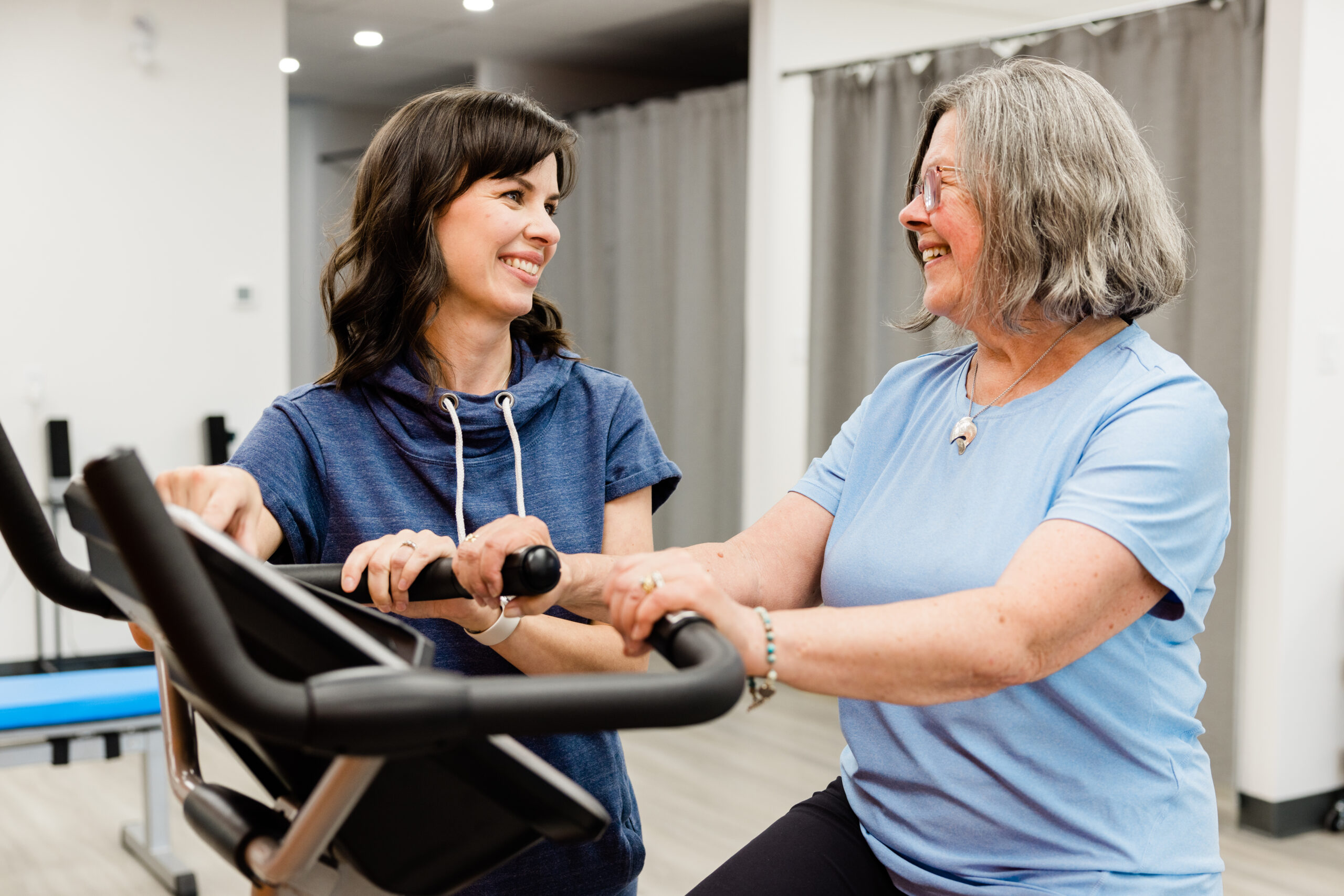


Staying steady isn’t just about avoiding falls—it’s about keeping confidence for the PoCo Trail, your home stairs, and meetups at the Port Coquitlam Community Centre.
As we age, changes in strength, balance, vision, and medications can raise fall risk, but most are manageable. At Riverside Physiotherapy, our fall prevention physiotherapy in Port Coquitlam starts with a friendly assessment of how you move—leg and core strength, balance with head turns and quick stops, and gait on real-world surfaces.
From there we build a simple, progressive plan with targeted exercises plus practical home and footwear tweaks so each week feels steadier.
If you’ve had a near-miss or a bout of dizziness—or just want to stay active from Mary Hill to Citadel Heights—this guide shows how physiotherapy can help you move confidently again.
Quick Self-Check: Are You at Risk?
Notice the small moments: a toe catch on a curb, a wobble on stairs, or grabbing the counter after standing. If head turns or getting out of bed make you light-headed, if you need your hands to rise from a chair, or you’ve started avoiding steeper PoCo Trail sections, your risk may be creeping up. Recent medication changes (sleep aids, blood-pressure pills) and unsupportive footwear—loose slippers, worn treads, socks on hardwood—add to it.
If two or more of these ring true, a focused fall-risk assessment can help. At Riverside Physiotherapy, we keep the first visit friendly and practical—checking how you walk, how your balance responds to simple challenges, and how quickly you can get up and go—so you leave with clear next steps, not a list of don’ts.
Why Falls Happen
Falls rarely have a single cause—they’re usually a mix of body changes and environment. A bit of hip and leg weakness, a less responsive inner ear, stiff or arthritic joints, neuropathy in the feet, vision or hearing shifts, and medications that drop blood pressure can all make quick turns or curbs feel unsteady.
Home hazards like loose rugs, dim hallways, and slick bathrooms—and Port Coquitlam realities such as rain, wet leaves, winter ice, and uneven sidewalks along parks and the PoCo Trail—add to the risk. The solution is comprehensive: pinpoint your personal contributors, fine-tune footwear and home setup, and build targeted balance and strength. That’s the heart of fall-prevention physiotherapy—and how confidence returns, step by step.
How Physiotherapy Helps
A first visit that maps your risk
Your fall-prevention plan starts with a calm, friendly assessment. We look at how you walk across flat ground and over small obstacles, how steadily you stand with feet together or one in front of the other, and how quickly you can rise from a chair. If dizziness is part of your story, we screen the vestibular system to see how head turns, looking up, or rolling in bed affect your balance. By the end of this visit you’ll understand which factors—strength, balance, sensation, vision, or medications—are most likely fueling your unsteadiness and what we’ll tackle first.
Balance and gait retraining that feels like real life
Rather than abstract drills, we practise the exact movements that matter day to day: stepping onto curbs, turning in tight hallways, looking side-to-side while walking, and negotiating uneven sidewalks near Gates Park or along the PoCo Trail. Subtle changes to foot placement, arm use, and stepping strategy can transform wobbly moments into controlled, confident movement.
Vestibular rehabilitation for dizziness
If your inner-ear system is part of the problem, we use specific exercises to recalibrate it. Gentle head-movement practice, gaze-stabilisation tasks, and, when appropriate, manoeuvres for positional vertigo help reduce that “swimmy” sensation so you can turn, reach, and look around without feeling off balance.
Strength for everyday stability
Strong hips, thighs, calves, and core muscles give you the braking power to stop a stumble before it becomes a fall. We build this strength with simple, repeatable movements—standing from a chair, controlled mini-squats, calf raises, and step-ups—shaped to your current level and progressed week by week.
Footwear and device tune-up
Small adjustments yield big returns. We review shoe grip and fit, check tread wear, and, if you use a cane or walker, ensure height and technique match your body and stride. Many people feel steadier the same day once their device is fitted correctly and they’ve learned a few handling cues.
A home plan you’ll actually use
Your programme is short, clear, and realistic. It fits beside your morning coffee or evening TV rather than taking over your day. We give you written steps and simple ways to track how you’re doing so momentum doesn’t depend on memory.
Measuring progress you can feel
Improvement shows up in numbers—faster chair-stands, steadier timed walking—and in real life: climbing your own stairs with less effort, turning quickly in the kitchen without grabbing the counter, and enjoying longer walks around Port Coquitlam with confidence.
Safe At-Home Physiotherapy Exercises
Safety first
Choose a well-lit area with a sturdy counter or heavy-back chair within arm’s reach. Wear supportive shoes. Stop if you feel pain, spinning dizziness, chest discomfort, or anything that feels “not right.”
Sit-to-stand
Start on a firm chair with your feet planted. Lean slightly forward, stand up smoothly, then lower with control until you just touch the seat before rising again. This strengthens thighs and hips and mimics the real-world task of getting up from couches, benches, and car seats.
Heel raises at the counter
Stand tall with fingertips resting lightly on the counter. Lift your heels until you’re on the balls of your feet, pause to feel your calves working, then lower slowly. Strong calves improve push-off power and help steady you on curbs and slopes.
Tandem stance and walk
Place one foot directly in front of the other as if on a balance beam and hold the position, eyes forward and chest relaxed. When that feels stable, take slow tandem steps along the counter, touching it only as needed. This trains narrow-base balance for tight spaces and busy sidewalks.
March and turn
March in place beside the counter, lifting knees to a comfortable height. Add gentle head turns—look left and right every few steps—to simulate scanning your surroundings outdoors. This blends strength, rhythm, and vestibular control into one practical drill.
How to progress safely
Make changes one at a time: a few extra repetitions, a slightly slower lowering phase, or a little less hand support. When exercises feel easy for several sessions in a row, we’ll raise the challenge together in clinic so your home plan stays effective without feeling risky.
When to pause and call
If you experience a new or worsening sense of spinning, repeated near-falls, unusual breathlessness, or chest pain, stop the exercises and get in touch. We’ll adjust the plan—or direct you to urgent care if needed—so safety always stays first.
Community Exercise Options in Port Coquitlam
Move with others. Gentle balance and strength classes at the Port Coquitlam Community Centre and Hyde Creek pair well with one-to-one physio, offering practice in a safe, social setting.
Walk familiar routes. Start with flatter, well-lit stretches near Gates Park or along easier sections of the PoCo Trail, then extend your loop as confidence grows.
Make it easy to show up. Plan appointment days around energy, weather, and transport; bring the shoes you wear most so we can fine-tune fit and lacing on the spot.
What to Expect at Riverside Physiotherapy
Your first visit: clear answers, calm pace
We start with a friendly conversation about your goals and recent challenges—near-misses on stairs, moments of dizziness, or routes you’ve begun to avoid. Then we look at how you move: standing up from a chair, walking at your usual speed, turning in place, and balancing with a narrower stance. If dizziness is part of the picture, we screen your inner-ear (vestibular) system with gentle head movements. By the end of this visit you’ll know which factors—strength, balance, sensation, vision, or medications—are most likely behind your unsteadiness and exactly how we’ll address them.
Weeks 1–4: building a safer foundation
Early sessions focus on practical wins. We strengthen hips, thighs, and calves with simple movements you’ll recognise from daily life, and we rehearse real scenarios like stepping onto a curb, turning in a hallway, or walking on slightly uneven ground. You’ll leave with a short home plan that fits beside your normal routine, plus clear guidance on footwear and any small home adjustments that could pay off right away.
Weeks 4–8: confidence in the real world
As your base gets stronger, we add challenges that mirror Port Coquitlam life—looking side to side while walking, negotiating busier sidewalks near shops, or handling the gentle slopes around Gates Park. If dizziness was a concern, vestibular exercises progress so head turns and quick looks feel natural again. We keep the pace comfortable but purposeful, adjusting each step to your energy and confidence.
Support between sessions
You’ll have a written plan in plain language, with simple ways to check your own progress. If questions pop up between visits, we’re easy to reach, and we’re happy to coordinate with your optometrist, GP, or pharmacist if medication timing or vision updates could reduce risk further.
How it feels to finish
Progress shows up in the numbers—standing from a chair more quickly, steadier timed walks—and in everyday moments: climbing your stairs without second-guessing, turning in the kitchen without grabbing the counter, and choosing longer, more enjoyable walks on the PoCo Trail.
Physiotherapy For Effective Fall Prevention
Most falls don’t come from one dramatic cause; they build from a few small changes that add up—slightly weaker legs, a touch of dizziness on head turns, shoes that have lost their grip, a dim hallway or slippery bathroom floor. Fall prevention physiotherapy in Port Coquitlam tackles those pieces together. We start by mapping your personal risk—how you walk, turn, and stand; how your inner ear responds; how your footwear and home setup support you—then turn that insight into a simple plan you can follow without overhauling your life.
Progress comes from practical work: balance and gait training that mirrors real sidewalks and stairs, targeted strength for hips, thighs, and calves, vestibular exercises when dizziness plays a role, and small, high-impact tweaks to lighting, railings, and footwear. Add in coordination with your pharmacist, optometrist, or GP when needed, and you’ve got a program that steadily upgrades confidence in the places you move every day—from the kitchen and hallway to the PoCo Trail.
Confidence on your feet is a skill, and like any skill it returns with the right practice at the right pace. When movement feels predictable again, you stop second-guessing the stairs, turn without reaching for the counter, and say yes to longer walks and busier days. That’s the point of this work: not just fewer stumbles, but more freedom to enjoy life in Mary Hill, Citadel Heights, Lincoln Park, and across the Tri-Cities.
Ready to feel steadier? Book a Fall-Risk Assessment at Riverside Physiotherapy in Port Coquitlam. We’ll give you clear answers, a personalised plan, and one-to-one guidance that fits your routine and goals. Prefer to talk it through first? Call our front desk for a quick chat about symptoms, scheduling, and benefits. You can also book online—our clinic is conveniently located near Gates Park and the Port Coquitlam Community Centre. Let’s help you move with confidence again.